Skin ScienceExample
Why Your Skin Barrier Matters
Almost every skin concern — dryness, sensitivity, breakouts, dullness — runs through the same structure. Understanding it changes how you think about everything you apply.
- Author
- Art of Radiance Editorial
- Published
- Reading time
- 3 min read
In this article
The outermost layer of your skin — the stratum corneum — is only about as thick as a sheet of paper. Yet it does most of the work that keeps skin comfortable: holding water in, keeping irritants and microbes out, and buffering the shifts in temperature and humidity that happen every day.
Dermatologists describe it with a simple metaphor: bricks and mortar. The bricks are flattened, protein-rich cells called corneocytes. The mortar is a matrix of lipids — ceramides, cholesterol, and fatty acids — arranged in orderly layers. When both are intact, the barrier works. When the mortar thins or the structure is disrupted, water escapes, irritants enter, and the skin becomes reactive.
What a compromised barrier feels like
A barrier under stress rarely announces itself as 'barrier damage'. It shows up as tightness after cleansing, stinging from products that were previously fine, patches of flaking, persistent redness, or breakouts that appear alongside dryness. Because these signals are easy to misread, many people respond by adding stronger products — which is often the opposite of what the barrier needs.
What disrupts it
- Over-cleansing, especially with high-pH or strongly foaming cleansers
- Frequent physical or chemical exfoliation
- Low humidity, wind, and heated indoor air
- Sun exposure, which degrades barrier lipids
- Introducing several new actives at once
- Sleep loss and stress, which are associated with slower barrier recovery
How to support it
Barrier care is less about a single product and more about removing what is harming it and replacing what it lacks. A gentle cleanser, a humectant to draw water in, and a moisturizer containing barrier lipids cover most of the ground. Sunscreen protects the structure from the exposure that degrades it fastest.
Ingredient · Barrier lipid
Ceramides
The lipid most directly involved in the barrier's 'mortar'.
Ingredient · Humectant
Hyaluronic Acid
Draws water into the upper layers; pair with a moisturizer to hold it.
The microbiome connection
The barrier is also home to a community of microorganisms that help maintain its slightly acidic pH and compete with less desirable species. Harsh products disrupt this community along with the lipids. This is one reason 'gentle' is a scientific position rather than a marketing one.
From the library · Book 1
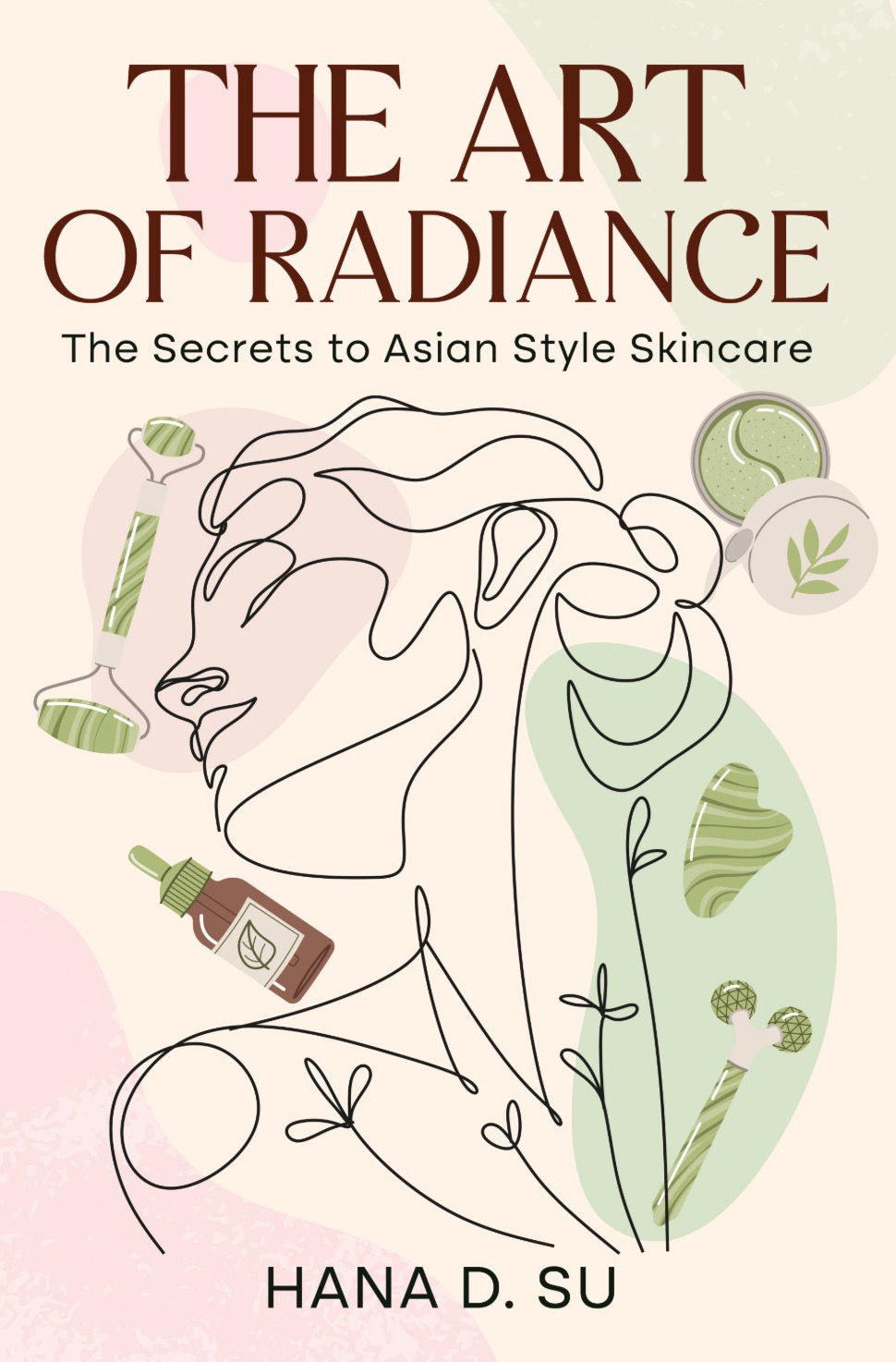
The Art of Radiance: The Secrets to Asian Style Skincare
Chapter 4 — Your Skin's Architecture
Explores skin anatomy, the barrier, and the microbiome in depth, with a bonus chapter on barrier health and probiotic skincare.
References & further reading
- 01
The skin barrier as an innate immune element
Seminars in Immunopathology, 2007
Reviews the structural and immunological role of the stratum corneum.
- 02
Stratum corneum lipids: the effect of ageing and the seasons
Archives of Dermatological Research, 1996
Art of Radiance distinguishes established evidence from emerging research and traditional practice. Read our science & sources approach.