Skin ScienceExample
Understanding Skin Hydration
Dry skin and dehydrated skin are different problems. Humectants, emollients, and occlusives each solve a different part of the equation.
- Author
- Art of Radiance Editorial
- Published
- Reading time
- 2 min read
Hydration is the water content of the stratum corneum. Healthy skin holds roughly 20–30% water in this layer; below about 10%, it becomes visibly flaky and less flexible. Maintaining that water depends on two things: attracting it, and keeping it from leaving.
Dry versus dehydrated
Dry skin is a type — it produces less sebum. Dehydrated skin is a state — it lacks water, and can occur in any skin type, including oily. Oily-yet-tight skin is a common sign of dehydration. The distinction matters because dry skin needs lipids, while dehydrated skin needs water and something to hold it.
The three mechanisms
- Humectants attract water: hyaluronic acid, glycerin, urea, snail mucin
- Emollients smooth and soften by filling gaps between cells: fatty acids, ceramides, plant oils
- Occlusives form a film that slows evaporation: petrolatum, squalane, shea butter, dimethicone
Ingredient · Humectant
Hyaluronic Acid
A water-binding molecule found naturally in skin that helps hold moisture in the upper layers.
Ingredient · Barrier lipid
Ceramides
Lipids that make up a large share of the skin barrier's 'mortar', helping keep water in and irritants out.
Ingredient · Bioactive
Snail Mucin
A filtrate of snail secretion popular in Korean skincare, valued for its hydrating, skin-conditioning texture.
The Asian skincare approach
Layering several thin, water-rich products — essence, toner, serum — followed by a moisturizer follows this logic closely: humectants first, then lipids and occlusives to seal. It is why the 'seven skin method' and similar practices emphasize applying hydrators to damp skin.
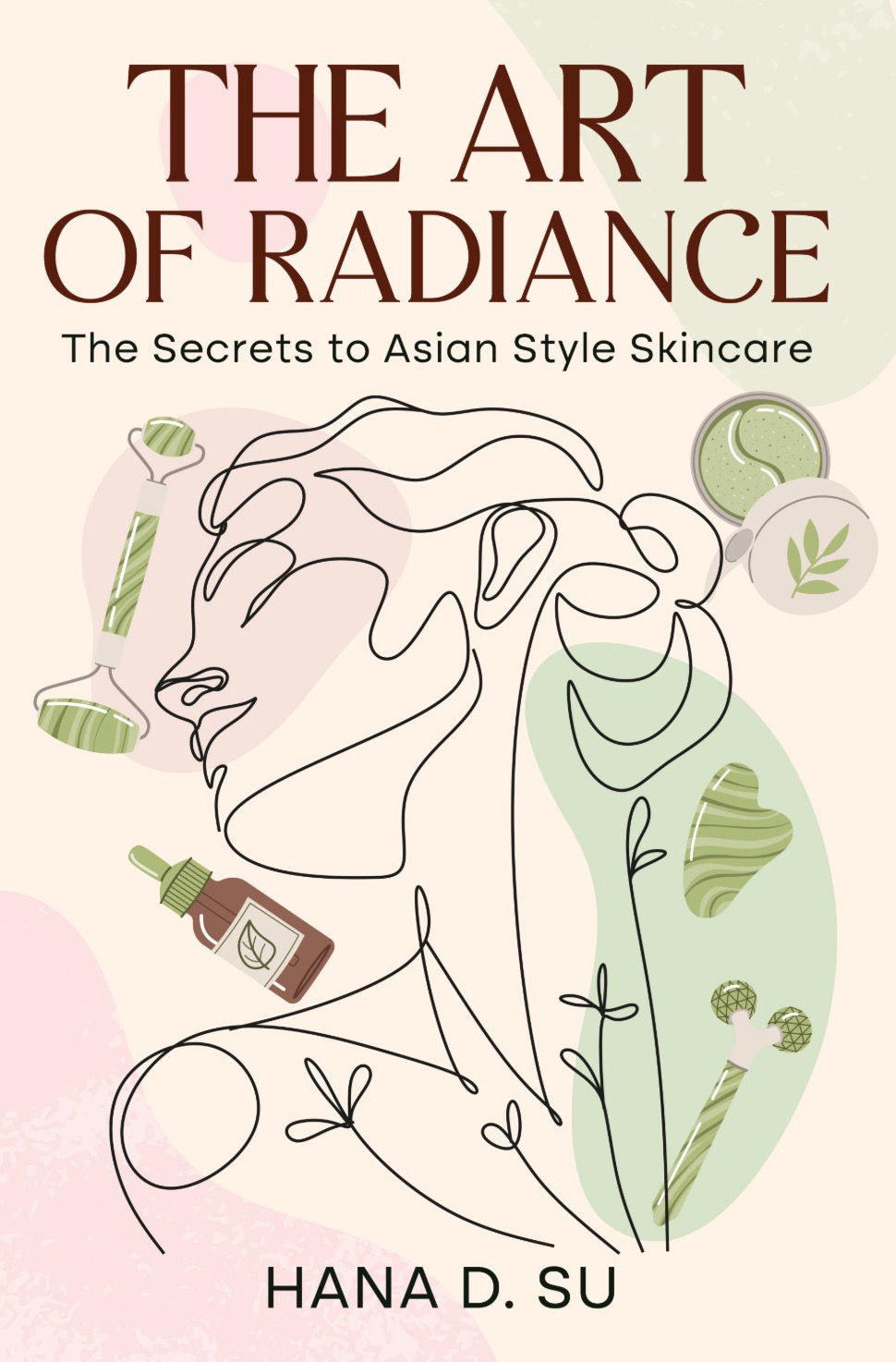
From the library · Book 1
The Art of Radiance: The Secrets to Asian Style Skincare
Chapter 7 — Hydration & Barrier Repair
A Comprehensive Guide to Asian Style Skincare and New Trends
References & further reading
- 01
Natural moisturizing factor and the stratum corneum
Journal of Cosmetic Dermatology, 2011
Art of Radiance distinguishes established evidence from emerging research and traditional practice. Read our science & sources approach.